

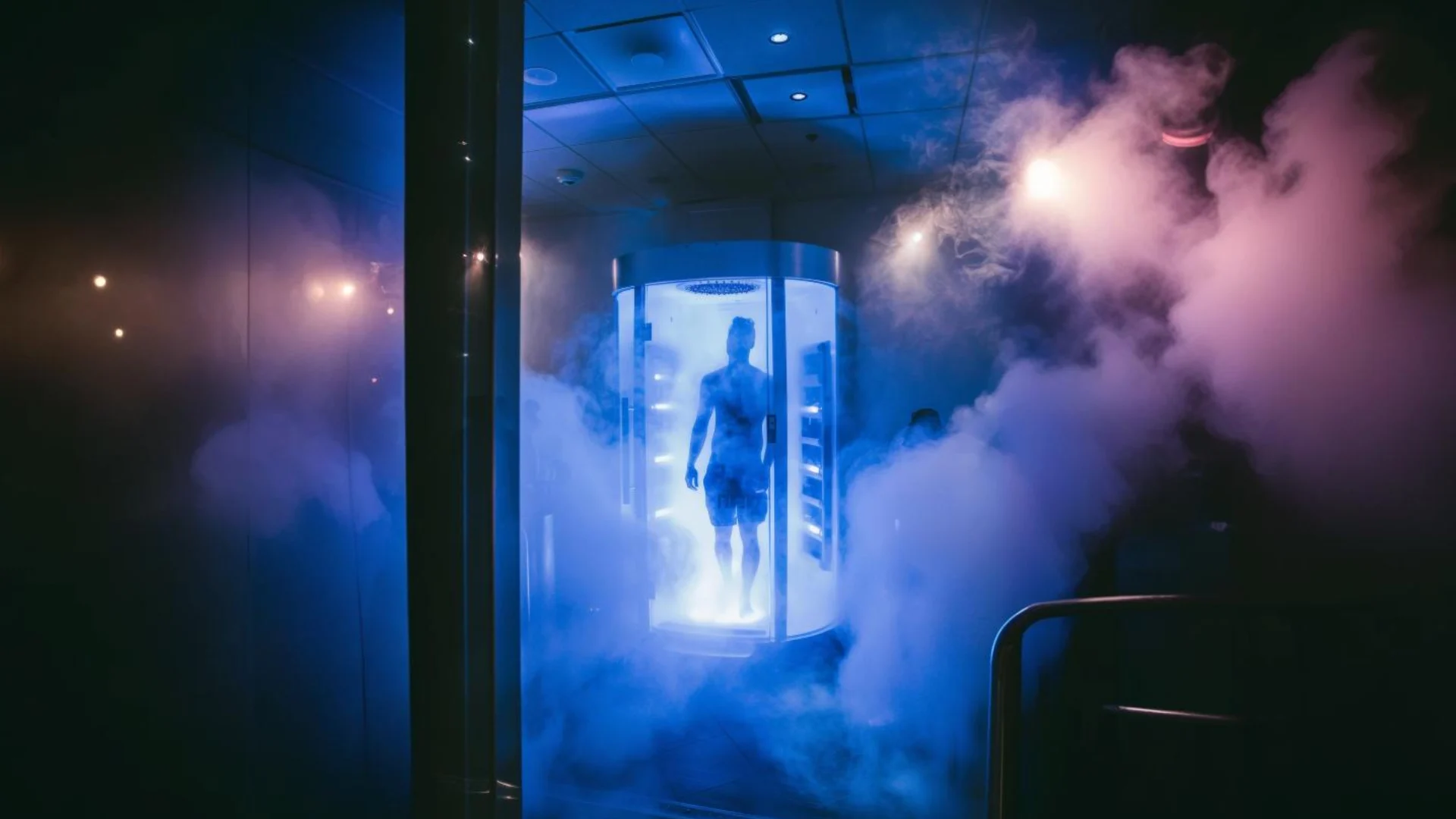
In the world of modern recovery and rehabilitation, local cryotherapy is emerging as a game-changer. While whole-body cryotherapy grabs the spotlight, localized cryotherapy provides direct and targeted treatment to sore muscles, inflamed joints, and injury-prone areas — offering faster healing and long-lasting relief. Whether you’re an athlete, chronic pain sufferer, or someone dealing with post-surgical inflammation, local cryotherapy may be your go-to remedy.
In this blog, we’ll explore how this cold therapy works, who it benefits, and why it’s becoming a top choice in the wellness and recovery world.
What Is Local Cryotherapy?
Local cryotherapy is a therapeutic treatment that applies extremely cold air (usually between -160°F to -220°F) directly to a specific part of the body. Unlike whole-body cryotherapy, which involves stepping into a chamber, local cryo targets a particular area using a handheld device. Sessions usually last 5 to 10 minutes, and the results can be felt almost immediately.
By delivering cold air directly to problem areas, local cryotherapy reduces blood flow, decreases cryotherapy for inflammation, and triggers the body’s natural healing processes.
Key Benefits of Local Cryotherapy
1. Rapid Pain Relief
Localized cryotherapy significantly reduces pain in the affected area by numbing nerve endings and decreasing inflammation. This makes it ideal for people with chronic pain, arthritis, and post-injury discomfort. One of the most praised effects is cryotherapy pain relief, which starts almost instantly after treatment.
2. Accelerated Healing
Cold exposure increases the body’s circulation once the session ends, sending oxygen-rich blood to the area. This enhanced blood flow helps speed up healing, especially for minor muscle tears, sprains, and strains.
3. Reduced Swelling and Inflammation
The cold constricts blood vessels and limits inflammatory mediators, effectively decreasing swelling in joints and muscles. This is especially helpful for sports injuries and cryotherapy after surgery, helping reduce post-op discomfort naturally and efficiently.
4. Enhanced Athletic Recovery
Athletes love local cryotherapy for its ability to improve recovery times and reduce downtime after workouts or injuries. It’s also used between training sessions to maintain peak performance. Among the many local cryotherapy benefits, improved circulation and faster muscle repair rank at the top.
5. Improved Range of Motion
By reducing muscle stiffness and swelling, localized cryotherapy allows for better joint mobility and flexibility. This can be crucial for individuals in physical therapy or recovering from injuries. It’s especially useful in treating cryotherapy for joints, providing natural relief to sore or stiff areas.
Common Areas Treated with Local Cryotherapy
- Knees and elbows
- Shoulders and rotator cuffs
- Neck and lower back
- Ankles and feet
- Post-surgical incision sites (once cleared by a physician)
How Does It Compare to Whole Body Cryotherapy?
While both treatments offer anti-inflammatory benefits, local cryotherapy is more targeted and customizable, making it ideal for isolated injuries or chronic conditions. Whole body cryotherapy is often used for general wellness, while local treatments focus on a specific recovery goal.
Is Local Cryotherapy Right for You?
If you’re dealing with:
- Chronic joint or muscle pain
- Sports injuries
- Post-surgical inflammation
- Arthritis or tendonitis
- Recovery from intensive physical activity
then local cryotherapy could be an excellent addition to your wellness routine. Always consult your physician before starting any new treatment, especially if you have underlying health conditions such as heart issues, cold sensitivity, or nerve disorders.
What to Expect During a Session
A local cryotherapy session is quick and non-invasive. A technician uses a wand-like device to blow super-cooled air on the affected area for 5–10 minutes. You might feel a tingling or icy sensation, but most clients report feeling refreshed and revitalized afterward.
Sessions are typically recommended 2–3 times per week for optimal results, though even one session can bring noticeable improvement.
Cost of Local Cryotherapy
The average cost of a local cryotherapy session ranges from $30 to $60 depending on the provider, location, and duration of treatment. Many wellness clinics offer packages for those interested in consistent sessions for long-term relief.
FAQs About Local Cryotherapy
1.What is the difference between local and whole-body cryotherapy?
Local cryotherapy targets a specific body part, while whole-body cryotherapy treats the entire body in a chamber. Localized treatment is better for focused pain relief and injury recovery.
2.Is local cryotherapy safe?
Yes, it’s safe when administered by trained professionals. It’s non-invasive and sessions are short, usually under 10 minutes.
3.How many sessions do I need?
It varies by condition, but most people see results within 3–5 sessions. Chronic conditions may benefit from ongoing weekly treatments.
4.Does local cryotherapy hurt?
Not at all. You may feel intense cold or tingling, but it’s not painful. Most people find it refreshing and invigorating.
5.What should I wear during a session?
Only the treated area needs to be exposed. The rest of your body remains covered and warm.
6.Can I use local cryotherapy after surgery?
Yes, once cleared by your doctor. It’s excellent for reducing post-op swelling and speeding up tissue healing.
7.Is it effective for arthritis?
Absolutely. Local cryotherapy can reduce joint inflammation and pain associated with arthritis, improving mobility.
8.Can athletes use it between games or training sessions?
Yes, it’s a favorite recovery method among athletes. It reduces soreness and helps maintain peak performance.