

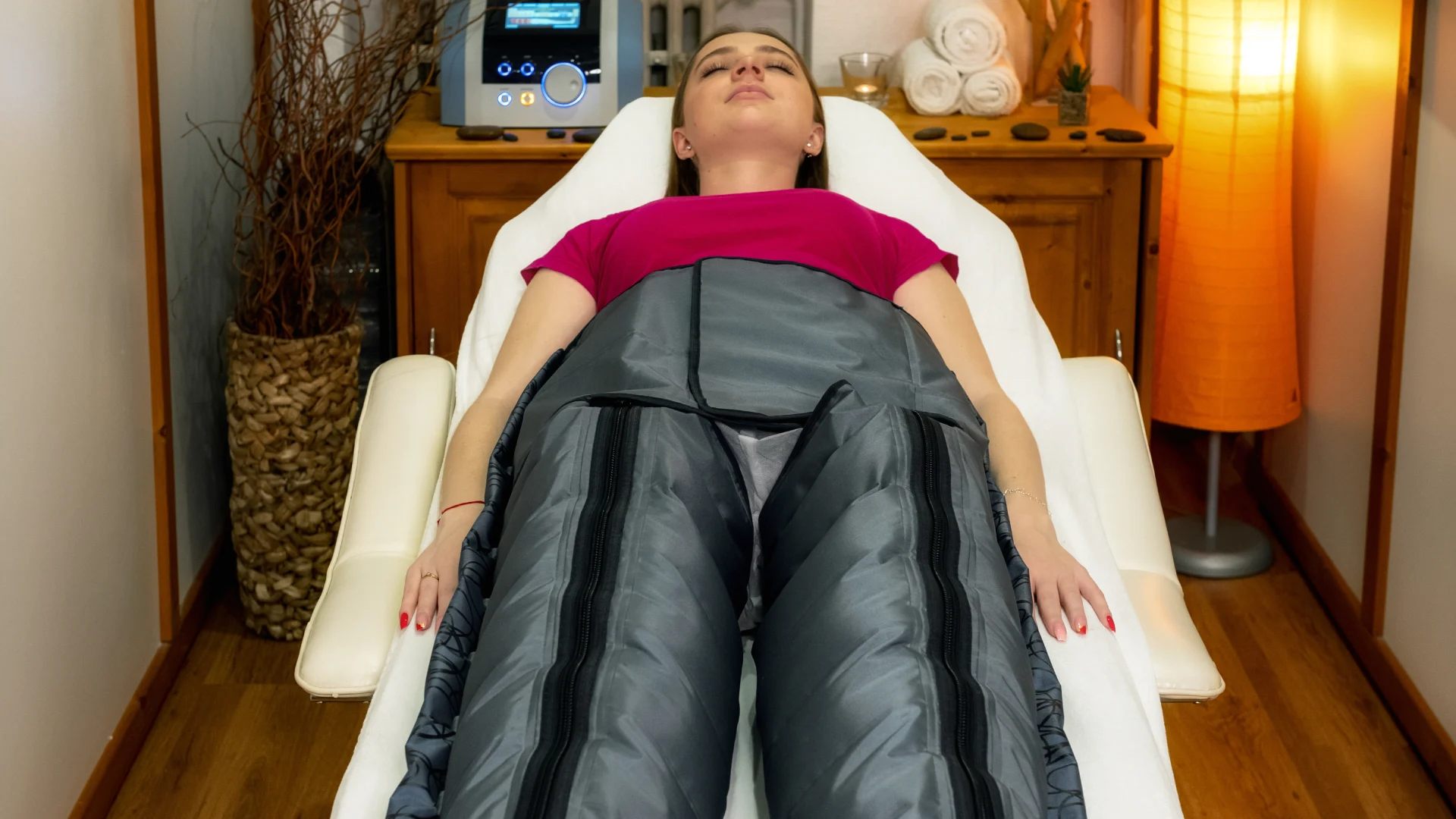
For athletes, recovery is just as important as training. Without proper recovery, muscles can become fatigued, performance may decline, and the risk of injury increases. This is where compression therapy for athletes comes in—a modern recovery method that is helping athletes of all levels enhance their performance, speed up recovery, and prevent injuries.
What is Compression Therapy?
Compression therapy involves the use of controlled pressure to stimulate better circulation and reduce muscle fatigue. It’s commonly implemented using garments like sleeves or pneumatic devices that cover the limbs and apply consistent pressure. These tools have become increasingly popular in the sports world due to their effectiveness in speeding up post-exercise recovery.
How Compression Therapy Boosts Performance
By encouraging improved blood circulation, compression therapy enhances oxygen delivery to working muscles and expedites the removal of metabolic waste such as lactic acid. This helps athletes sustain their performance levels over longer periods and reduces muscle fatigue.
Athletes who incorporate this method into their routine report:
- Greater endurance during training
- Faster recovery between sessions
- Improved joint and muscle support, reducing injury risk
The Role of Compression in Recovery
Recovery is critical for long-term performance gains. One of the standout features of this therapy is its ability to reduce muscle soreness after high-intensity workouts or competition. By applying gentle pressure to fatigued areas, compression helps eliminate toxins, reduce swelling, and minimize post-exercise discomfort.
Compression Recovery Tools
A common and highly effective option includes compression recovery boots. These specialized devices wrap around the legs and inflate sequentially, promoting lymphatic drainage and boosting venous return. They are particularly favored by runners, cyclists, and weightlifters for post-training recovery.
Why Athletes Prefer Compression Therapy
From weekend warriors to elite professionals, athletes value compression therapy for its:
- Ability to prevent injury through muscle stabilization
- Non-invasive, relaxing nature
- Proven support in maintaining consistent performance
- Incorporating compression into your fitness routine doesn’t require much effort, but the payoff in terms of recovery and prevention can be substantial.
FAQs
1.What is compression therapy used for in sports?
Compression therapy supports faster recovery, improved circulation, and muscle stabilization for athletes post-training.
2.Can compression help with inflammation?
Yes, it reduces swelling and encourages lymphatic drainage, which lowers inflammation.
3.Are compression boots effective for recovery?
Yes, they are widely used for post-exercise recovery, particularly in endurance sports and strength training.
4.How long should a session of compression therapy last?
Sessions typically range from 20 to 45 minutes depending on intensity and area treated.
5.Can beginners in fitness use compression therapy?
Absolutely. Compression therapy benefits all fitness levels by helping with muscle fatigue and recovery.
6.Does compression therapy prevent injuries?
It provides muscle support and can help reduce the risk of overuse injuries and strains.
7.How often should athletes use compression gear?
Using it after every intense workout or competition is ideal for maximum benefits.
8.Is there a difference between compression garments and boots?
Yes. Garments offer static pressure, while boots provide dynamic, sequential compression for deeper recovery.